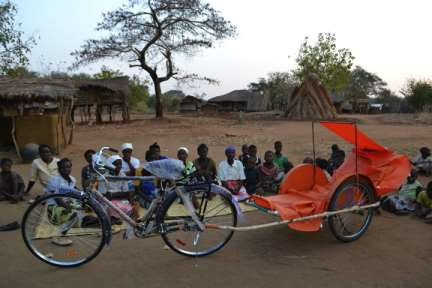
The editorial by Are Hovstad reflects on the complexities of sustainable development aid, drawing from decades of experience in international projects. He distinguishes between immediate disaster relief, where swift action is critical, and long-term development initiatives, which often face challenges in sustainability. Hovstad highlights how many well-intentioned projects fail due to a lack of integration with local systems, reliance on external administrators, and insufficient funding for ongoing operational costs. “The much used phrase of ‘taking ownership of the project’ sounds good, but unless the project is integrated into an already existing function with budgets for running costs, most projects suffer,” he notes, emphasizing the pitfalls of depending on unpaid volunteers and the fragility of post-implementation support.
Hovstad also underscores the importance of understanding local power dynamics and cultural contexts, warning that outsiders often overlook the intricate hierarchies and traditions that shape community decision-making. He criticizes the tendency of donors to focus on visible projects involving children and women, without thoroughly assessing the broader social and political landscape. “It is almost impossible